3D Graphics and Gamification: Technologies That Are Transforming Modern Slot Games

3D Graphics and Gamification: Technologies That Are Transforming Modern Slot Games
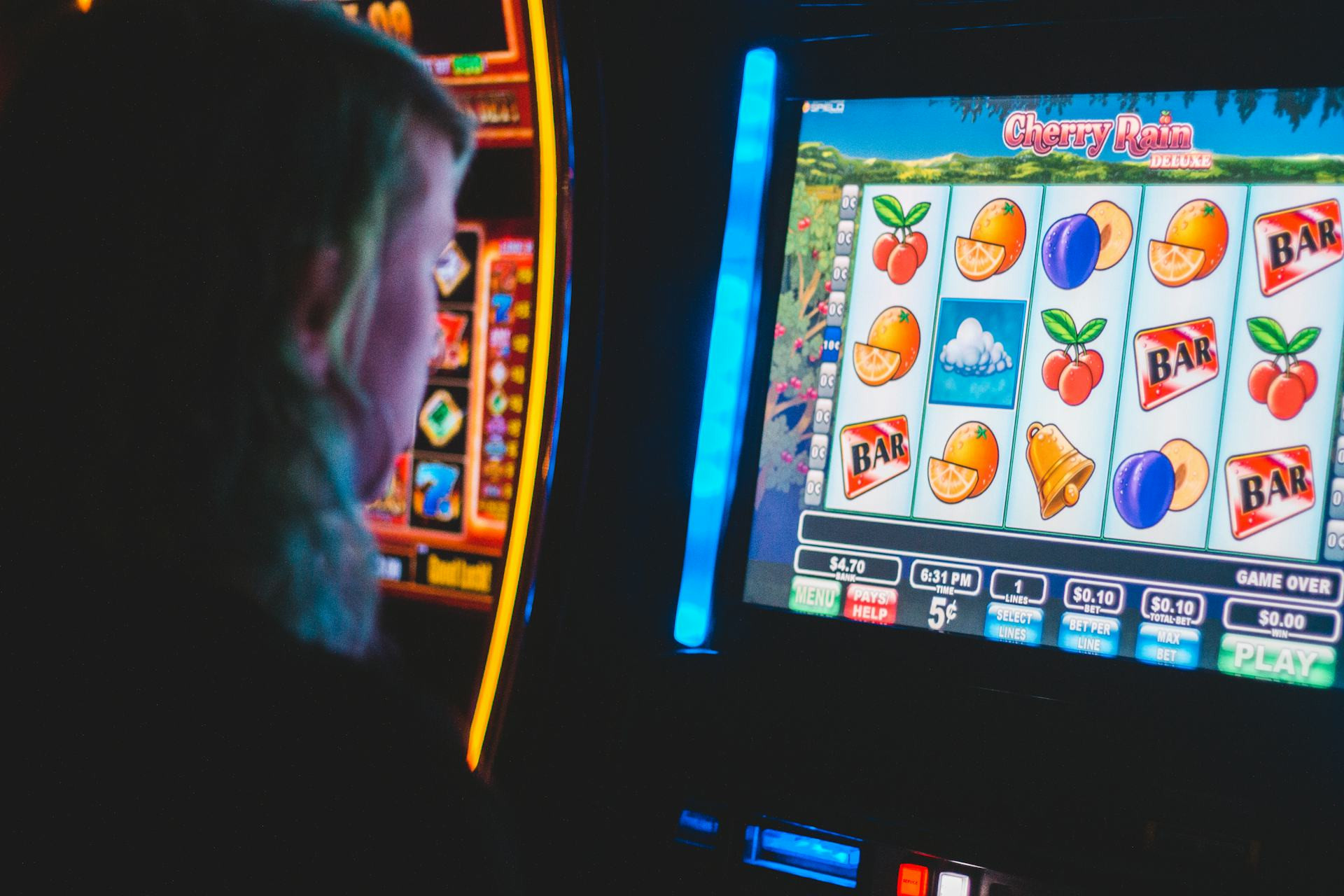
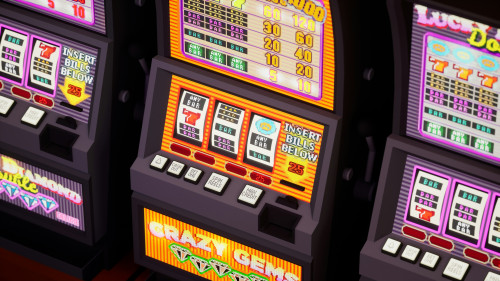
The days of mechanical slot machines with spinning reels and simple fruit symbols are long gone. Today’s slot games are immersive digital experiences that look and feel more like video games than traditional gambling machines. Thanks to rapid advances in technology, especially in 3D graphics and gamification, modern slots have evolved into interactive entertainment that appeals to a new generation of players.
From Flat Symbols to Immersive Worlds
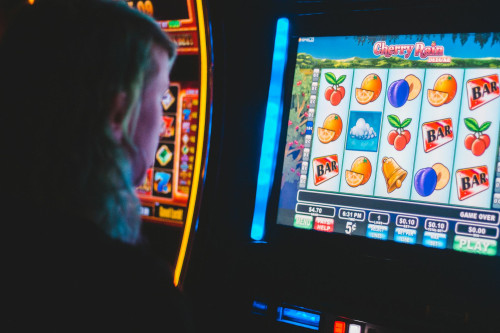
Classic slots were once defined by their simplicity—static images, basic animations, and straightforward gameplay. Modern digital slots, however, are miniature visual worlds. Developers now use advanced 3D graphics engines to create depth, motion, and atmosphere. Characters move fluidly, backgrounds shift dynamically, and animations respond to player actions.
A slot game today might resemble an adventure or fantasy game, where players unlock new levels, explore different environments, and interact with story-driven characters. This visual richness doesn’t just make the game prettier—it enhances immersion and gives players the sense that they’re part of a living, evolving world rather than just spinning reels.
Gamification: Turning Play into an Experience
Gamification is the practice of adding game-like elements—such as points, missions, achievements, and progression—to experiences that traditionally didn’t include them. In modern slot games, this means players aren’t just pressing “spin”; they’re embarking on a journey.
Many slots now feature bonus rounds, collectible items, and missions that reward players with extra prizes or unlock new features. Some even include level systems, where players advance as they play more. This sense of progression and reward mirrors what gamers experience in video games, keeping engagement high and play sessions longer.
Gamification also adds a social dimension. Online casinos increasingly host tournaments, leaderboards, and community challenges, allowing players to compete against others for prizes or bragging rights. This social layer transforms solitary play into a shared experience, adding excitement and a sense of belonging.
The Technology Behind the Magic
Behind the stunning visuals and interactive features lies a sophisticated technological foundation. Most modern slot games are built using HTML5, which allows them to run smoothly across devices—desktop, tablet, or smartphone—without the need for downloads. This cross-platform flexibility has made online slots more accessible than ever.
The 3D elements are often created using powerful game engines like Unity or Unreal Engine, the same tools used to build console and PC games. These engines enable realistic lighting, smooth animations, and complex environments. Meanwhile, random number generators (RNGs) ensure that every spin remains fair and unpredictable, maintaining the integrity of the game regardless of its visual complexity.
A New Generation of Players
Younger players, raised on video games and mobile apps, expect more than just luck-based gameplay. They want interactivity, storytelling, and a sense of achievement. For this audience, 3D graphics and gamification aren’t just aesthetic upgrades—they’re essential features that make slot games relevant in a crowded entertainment landscape.
Developers are responding by blending genres. Many modern slots borrow elements from role-playing games, adventure titles, and even eSports, creating hybrids that blur the line between gaming and gambling. The result is a new form of digital entertainment that appeals to both casual players and seasoned gamers.
The Future: VR, AR, and Personalized Play
The evolution of slot games is far from over. Developers are already experimenting with virtual reality (VR) and augmented reality (AR), technologies that could allow players to step directly into a 3D casino environment. Imagine standing inside a virtual world where reels spin around you and bonus rounds unfold as interactive scenes.
At the same time, data-driven personalization is becoming a key focus. Future slot games may adapt to each player’s preferences—adjusting themes, difficulty, and pacing to create a tailored experience. This level of customization could redefine how players engage with digital gambling.
Læs også:


A New Era of Digital Entertainment
3D graphics and gamification have transformed slot games from simple machines of chance into rich, interactive experiences. They combine art, technology, and psychology to create entertainment that’s visually stunning, emotionally engaging, and endlessly varied.
For players, this means more excitement and immersion. For developers, it opens the door to creativity and innovation that was once unimaginable.
Slots are no longer just games of luck—they’re evolving digital worlds that showcase how technology can reinvent even the most traditional forms of play.
Læs også: