Big Events and Skewed Odds: When the Betting Market Loses Its Balance


Big Events and Skewed Odds: When the Betting Market Loses Its Balance
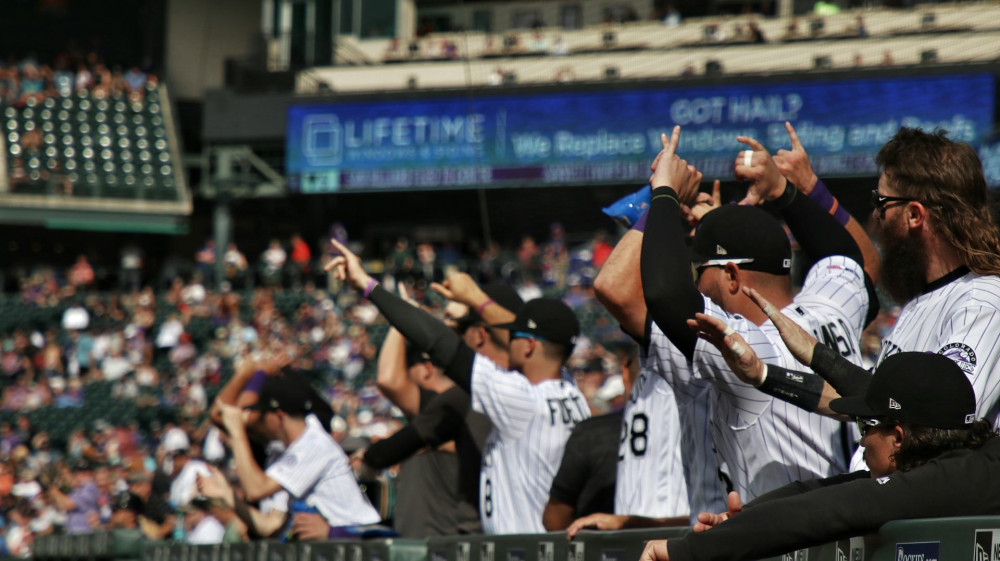
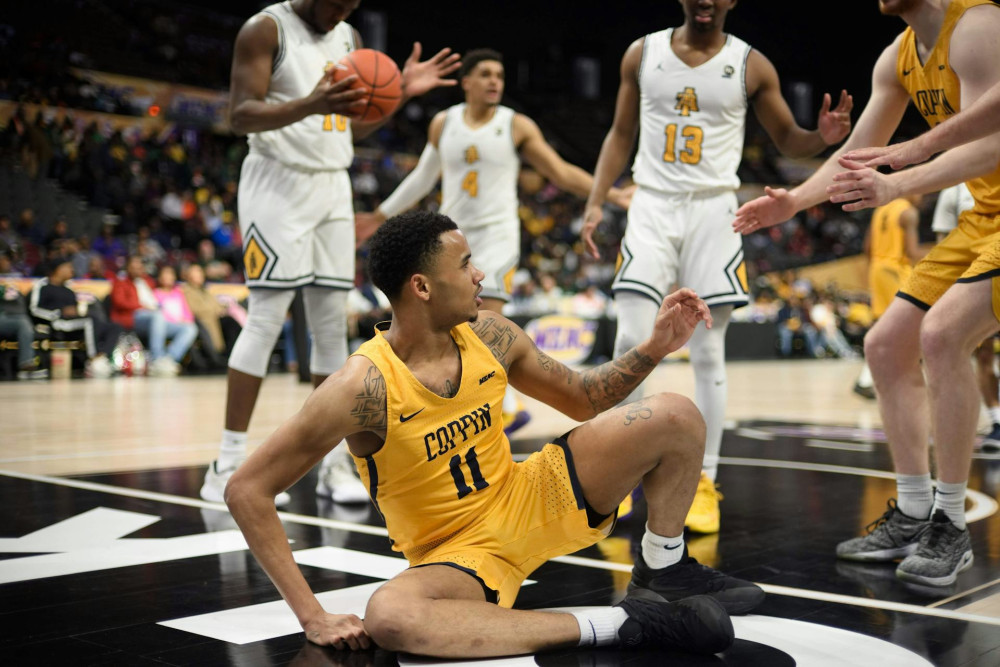
When major sporting events like the Super Bowl, March Madness, or the World Cup take center stage, the betting world lights up. Millions of fans place wagers—not just on who wins, but on everything from the first touchdown to the length of the national anthem. But with the surge in attention comes a familiar phenomenon for both bettors and bookmakers: market imbalance. When emotion, hype, and media frenzy take over, odds can start to drift away from reality—and that can have consequences for everyone involved.
When Emotion Drives the Market
In theory, odds reflect the true probability of an outcome. In practice, they’re shaped by far more than numbers. When the Kansas City Chiefs or the Dallas Cowboys play in a big game, money floods in on the home favorite—not necessarily because the odds are good, but because fans believe. This emotional betting, often called “patriot money” or “fan bias,” can distort the market significantly.
Bookmakers constantly adjust to balance their risk, but during high-profile events, the flood of emotionally driven bets can overwhelm even the most sophisticated systems. For sharp bettors, this can create opportunities: when the crowd bets with its heart, value sometimes lies in going the other way. But that takes discipline, patience, and a willingness to ignore the noise.
The Media’s Role in Moving the Lines
Media coverage has a massive influence on betting behavior. A single headline about a quarterback’s injury or a star player’s suspension can shift odds within minutes. Social media amplifies this effect—rumors, memes, and viral reactions can create a collective mood that moves markets faster than any statistic.
A classic example is when an underdog suddenly becomes “America’s team.” Maybe they pull off a surprise win or capture the public’s imagination. Bookmakers respond by lowering the odds—not because the team’s actual chances have improved, but because demand has. The result is a market that reflects sentiment more than probability.
Big Events, Bigger Imbalances
The larger the event, the greater the imbalance. During the Super Bowl or the Olympics, millions of casual bettors join the action. Many wager small amounts for fun, but in aggregate, their bets can move markets dramatically.
To manage this, sportsbooks widen margins, offer more prop bets, and diversify their risk. Still, even the biggest operators can be caught off guard—especially when a popular team defies expectations. A Cinderella story in March Madness or a surprise playoff run can send shockwaves through the odds.
When Algorithms Can’t Keep Up
Today, most odds are set and adjusted by algorithms that analyze data in real time. But even the most advanced models struggle with human behavior. When something truly unexpected happens—like a longshot team making a historic run—statistical models can break down. The 2016 Leicester City Premier League win remains a global reminder: no algorithm saw it coming, and sportsbooks paid out millions to the few who believed.
It’s proof that even in a data-driven age, betting remains unpredictable. The market isn’t just about math—it’s about psychology, timing, and perception.
What Bettors Can Learn from Market Imbalances
For savvy bettors, market imbalances can be opportunities. When odds move because of emotion rather than evidence, “value betting” becomes possible—finding outcomes that are underpriced by the market. But spotting those moments requires discipline and a clear head.
A smart approach is to track odds over time and compare across multiple sportsbooks. If a line shifts dramatically without a clear sporting reason, it may be a sign that the market is reacting emotionally. In those moments, patience and analysis can pay off.
Læs også:

A Market in Constant Motion
The betting market today is more dynamic than ever. Live betting, social media, and real-time data have made it possible to react instantly—but also more vulnerable to collective behavior. When big events hit, it becomes clear that even a market built on probabilities can lose its balance.
For bettors, the challenge is knowing when odds reflect reality—and when they reflect emotion. For bookmakers, it’s about walking the fine line between risk and control. And for everyone else, it’s a reminder that the magic of sports lies in the unpredictable—no matter what the numbers say.
Læs også: