From “Beano” to “Bingo”: The Story Behind the Game’s Name and Language

From “Beano” to “Bingo”: The Story Behind the Game’s Name and Language
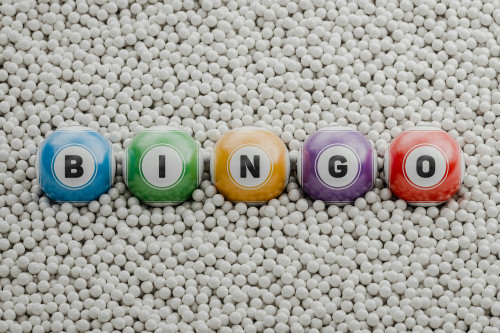
When someone shouts “Bingo!”, everyone knows what it means: a player has completed a winning pattern, and the game is over. But how did this cheerful little word come to define one of America’s favorite pastimes? The story behind the name “Bingo” is a mix of language, luck, and a bit of serendipity. It begins in the United States of the 1920s—but its roots stretch much further back.
From Italian Lottery to American Classic
Although bingo feels quintessentially American, its earliest ancestor dates back to 16th-century Italy. There, people played a lottery-style game called Il Gioco del Lotto d’Italia, where players marked numbers on cards as they were drawn. The idea spread across Europe, evolving into educational games in Germany and France that helped children learn numbers, spelling, and history.
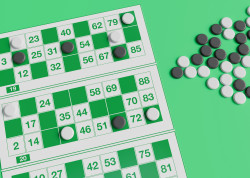
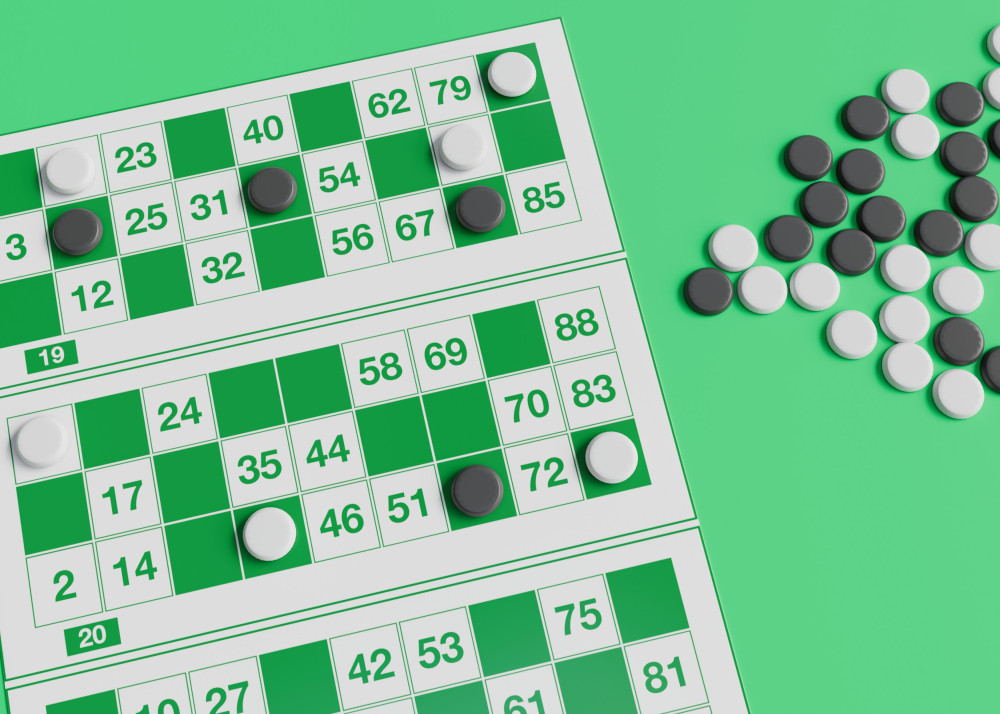
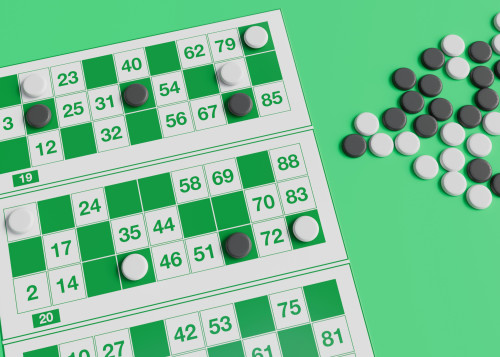
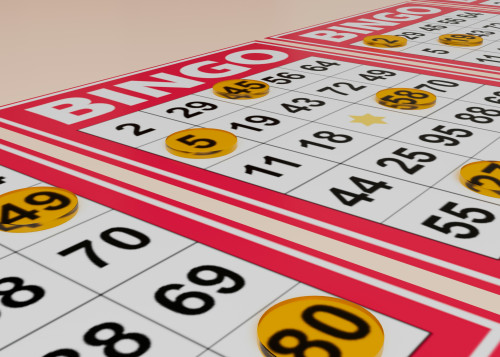
By the early 20th century, the game had crossed the Atlantic. In the U.S., it appeared at traveling fairs and carnivals under the name “Beano.” The name came from the beans—yes, actual dried beans—that players used to cover the numbers on their cards. When someone completed a row, they would shout “Beano!” and claim a small prize.
A Happy Accident and a New Name
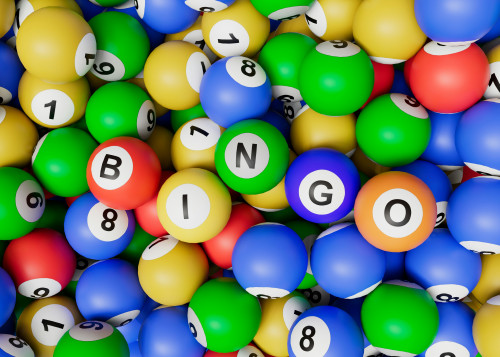
The turning point came in 1929, when New York toy salesman Edwin S. Lowe stumbled upon a “Beano” game at a carnival in Georgia. Intrigued, he brought the idea home and introduced it to his friends. During one of these home games, a player became so excited upon winning that she accidentally shouted “Bingo!” instead of “Beano.” Lowe loved the sound of it—it was snappier, more musical, and easier to say in the heat of the moment. He decided to adopt the new name when he began producing and selling the game commercially.
That slip of the tongue turned out to be marketing gold. “Bingo” was short, catchy, and instantly recognizable. Within a few years, the game spread across the United States, filling church basements, community halls, and social clubs. By the 1930s, it had even crossed back over the Atlantic, becoming a staple of British leisure culture as well.
Læs også:
Why “Bingo” Sounds So Right
From a linguistic point of view, “Bingo” has a natural punch. The initial b gives it a burst of energy, while the open -o ending makes it easy to shout. It fits neatly alongside other English exclamations like “Bravo!” or “Right on!”—words that signal success, completion, or triumph. The rhythm of “Bingo” perfectly matches the moment of victory it celebrates.
Over time, the word has taken on a life of its own. In everyday American English, “bingo” can mean “exactly right” or “you got it!”—a verbal high-five that extends far beyond the game table. It’s a reminder of how play and language often intertwine, shaping the way we express excitement and satisfaction.
From Church Halls to the Digital Age
After World War II, bingo became a beloved part of community life in the United States. Churches and charities used it to raise funds, while players came for the camaraderie as much as the prizes. The game’s simplicity and social atmosphere made it a cross-generational favorite—one that brought people together week after week.
Today, bingo has gone digital. Online platforms and mobile apps have introduced the game to new audiences, while traditional bingo nights continue to thrive in towns across America. Whether played on a smartphone or in a local hall, the thrill remains the same: that moment when the final number is called, and someone gets to shout the magic word.
A Word That Outgrew the Game
It’s remarkable that a single word born from a slip of the tongue could become a global symbol of luck, joy, and community. “Bingo” started as a carnival pastime and turned into a cultural icon—a word that captures the excitement of winning and the pleasure of playing together. From “Beano” to “Bingo,” the journey of this little word shows how language, chance, and human enthusiasm can combine to create something timeless.
Læs også: