Roulette Around the World: Culture, Traditions, and Variations

Roulette Around the World: Culture, Traditions, and Variations
Roulette is one of the most iconic casino games in the world—a blend of chance, excitement, and timeless elegance. Though the rules remain largely the same everywhere, the way roulette is played, celebrated, and perceived varies from country to country. From the glamour of Monte Carlo to the neon lights of Las Vegas and the modern luxury of Macau, the spinning wheel has taken on unique cultural meanings across the globe. Let’s take a look at how roulette has evolved and what it represents in different parts of the world.
From a French Invention to a Global Classic
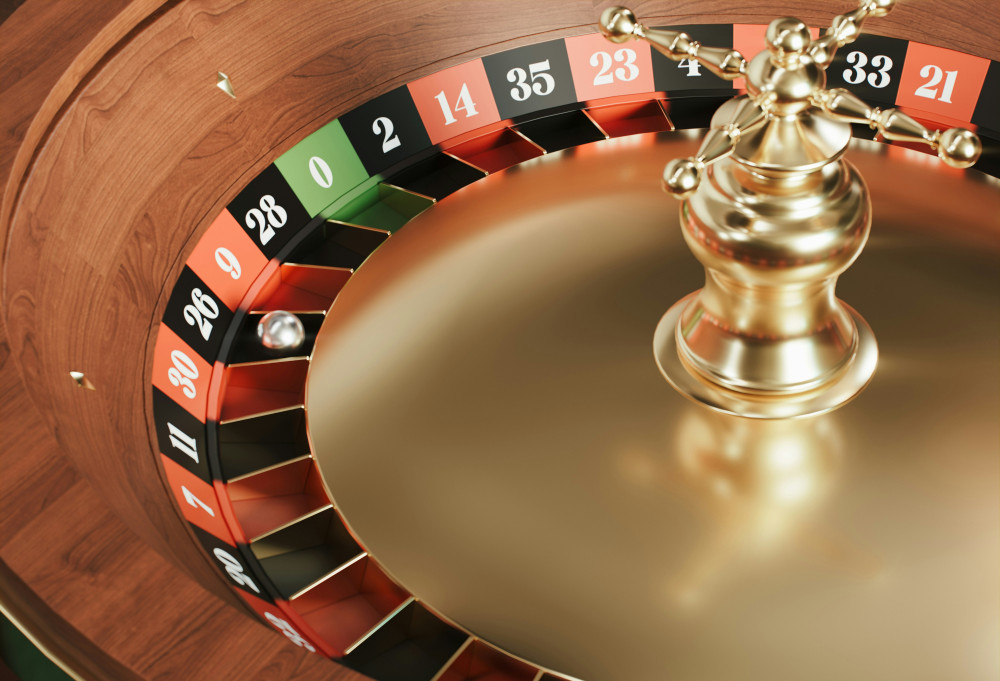
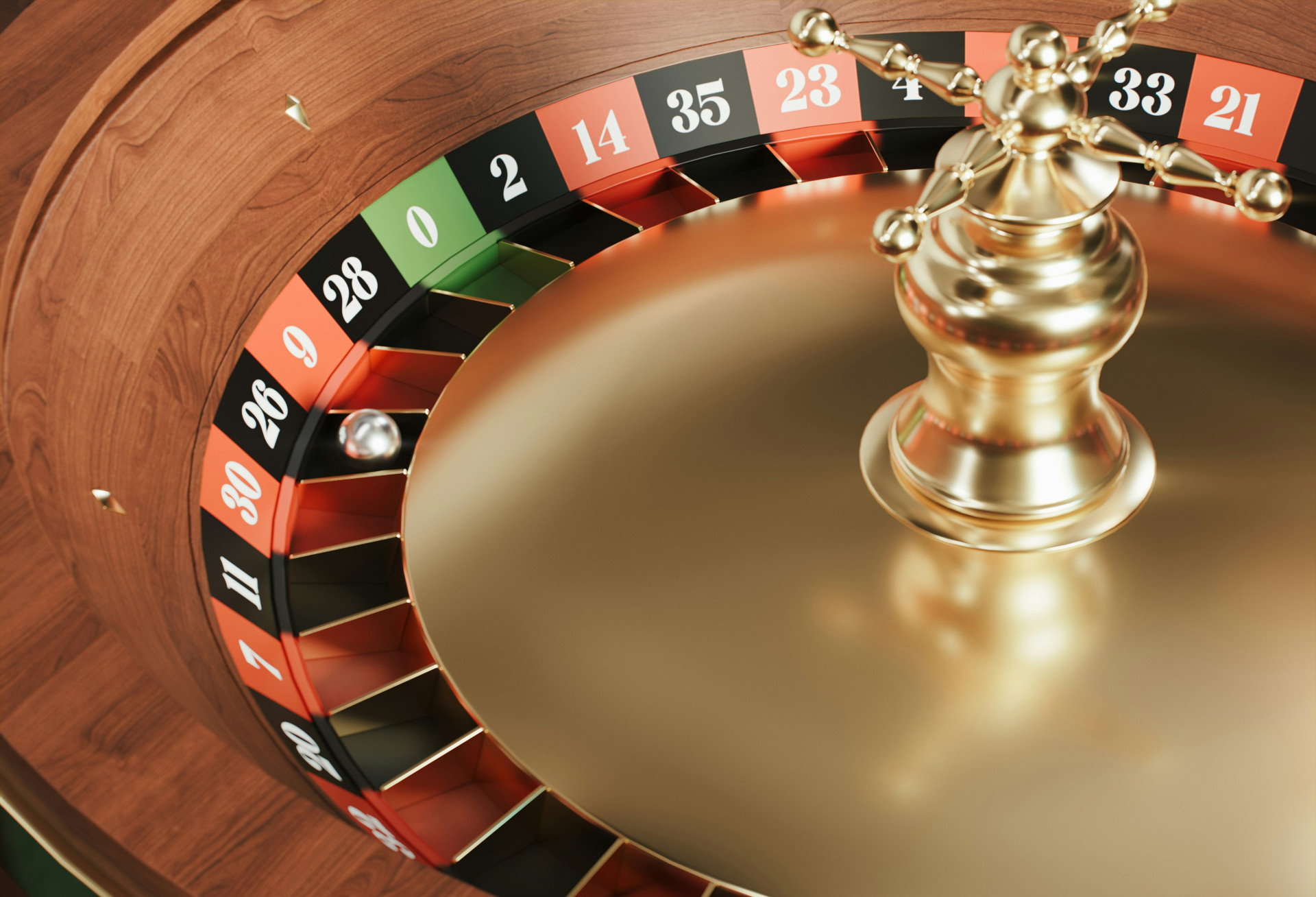
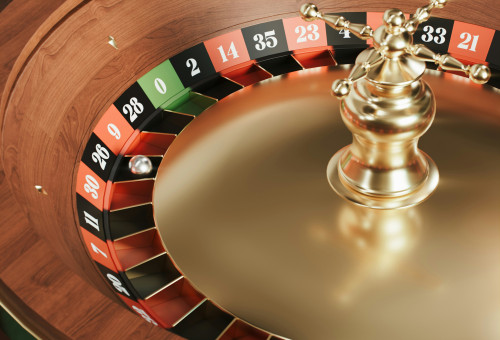
Roulette traces its origins back to 18th-century France, where mathematician Blaise Pascal is said to have experimented with a perpetual motion device. The game as we know it took shape in French salons and quickly spread across Europe. The name “roulette” literally means “little wheel,” and it’s that wheel that has captivated players for centuries.
By the 19th century, roulette had found a glamorous home in Monte Carlo, where it became synonymous with luxury and aristocratic entertainment. The casino culture of Monaco turned the game into a symbol of sophistication and fortune—a reputation that still lingers today.
European and American Roulette – Two Sides of the Same Coin
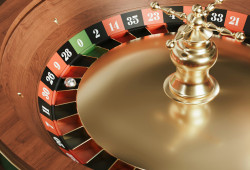
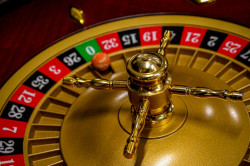
While roulette’s essence remains the same, two main versions dominate the world: European and American roulette. The key difference lies in the wheel. The European version has a single zero, while the American version includes both a zero and a double zero. That small change increases the house edge and slightly shifts the odds, giving the American game a faster, more high-stakes feel.
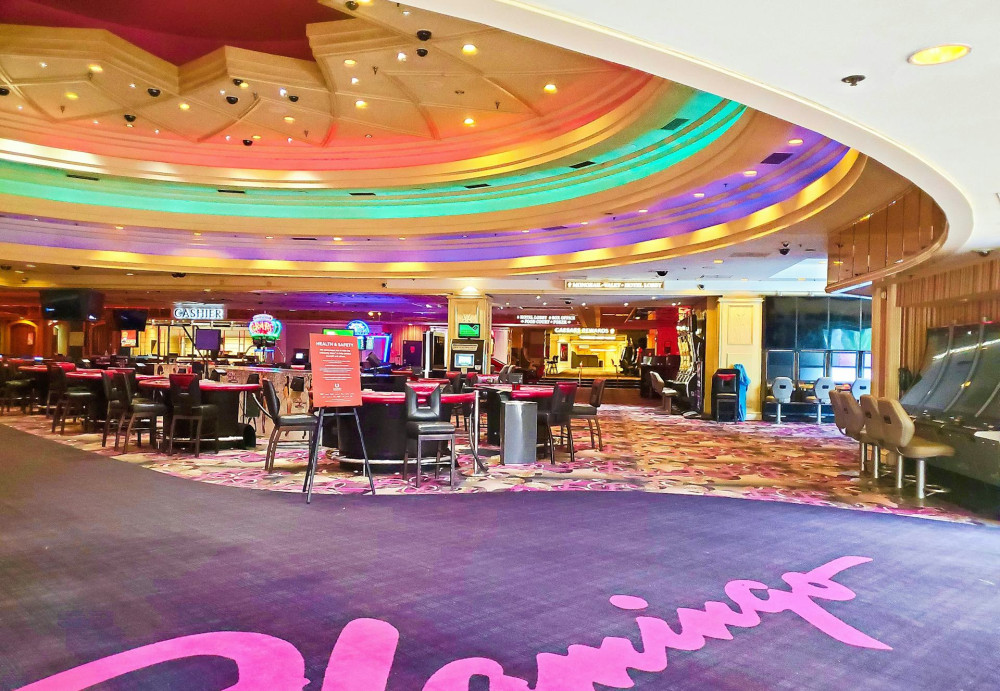
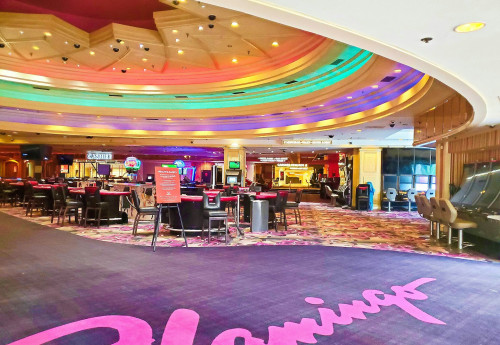
In Europe, especially in France, Monaco, and the United Kingdom, the single-zero version is preferred for its tradition and elegance. In the United States, roulette became part of the vibrant, fast-paced casino culture that defines places like Las Vegas and Atlantic City. Here, the game is often louder, more energetic, and infused with the showmanship that American casinos are famous for.
Asia’s Fascination with Luck and Symbolism
In Asia, roulette has taken on a distinctly cultural dimension. In Macau—often called “the Las Vegas of the East”—the game is immensely popular, but superstition and symbolism play a major role. Many players choose numbers based on lucky digits, birthdays, or numerological patterns. The colors red and black also carry deeper meaning: red, in Chinese culture, symbolizes luck, joy, and prosperity.
Macau’s casinos blend Western gaming traditions with Asian aesthetics, and roulette tables often sit alongside baccarat, the region’s long-standing favorite. For many players, it’s not just about winning—it’s about aligning with the flow of fortune and playing in harmony with luck.
Læs også:
Online Roulette – A Global Meeting Point
The rise of the internet has given roulette a new life online. Today, players from around the world can join live tables streamed from studios in Malta, Latvia, or the Philippines. This digital evolution has created a global roulette community where traditions mix and new variations emerge.
Online versions range from classic European roulette to modern formats featuring multipliers, bonus rounds, and themed designs. For many, it’s a way to experience the thrill of the casino from home—no dress code required, but with all the same anticipation as watching the ball spin in person.
Roulette as a Social and Cultural Experience
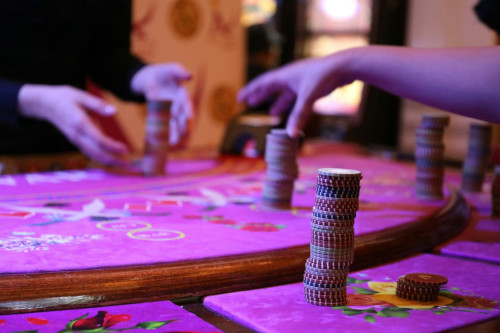
Roulette is more than a game of numbers and probabilities—it’s a social ritual. Around the table, players share excitement, cheer for one another, and experience the suspense together. In Europe, it’s often associated with style and tradition; in the U.S., with energy and spectacle; and in Asia, with luck and symbolism. Yet everywhere, the fascination is the same: that small wheel that can change everything in a single spin.
Roulette has endured for more than two centuries because it bridges logic and luck, strategy and spontaneity—and because it adapts to the cultures that embrace it. Whether you’re standing in Monte Carlo, Las Vegas, or Macau, the feeling is universal when the ball begins to spin: a moment of silence, a rush of anticipation, and the hope that fortune will land on your number.
Læs også: