The House Edge Explained: How Casinos Adjust Rules and Payouts to Their Advantage

The House Edge Explained: How Casinos Adjust Rules and Payouts to Their Advantage
When you walk into a casino—whether on the Las Vegas Strip or on your phone—it’s easy to get swept up in the flashing lights, the sound of slot machines, and the thrill of possibility. But behind the excitement lies a mathematical truth: the casino always has an advantage. This built-in advantage, known as the house edge, ensures that over time, the casino profits no matter how many players win in the short run. But how exactly does it work, and how do casinos tweak rules and payouts to maintain it?
What the House Edge Really Means
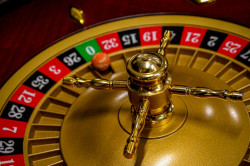
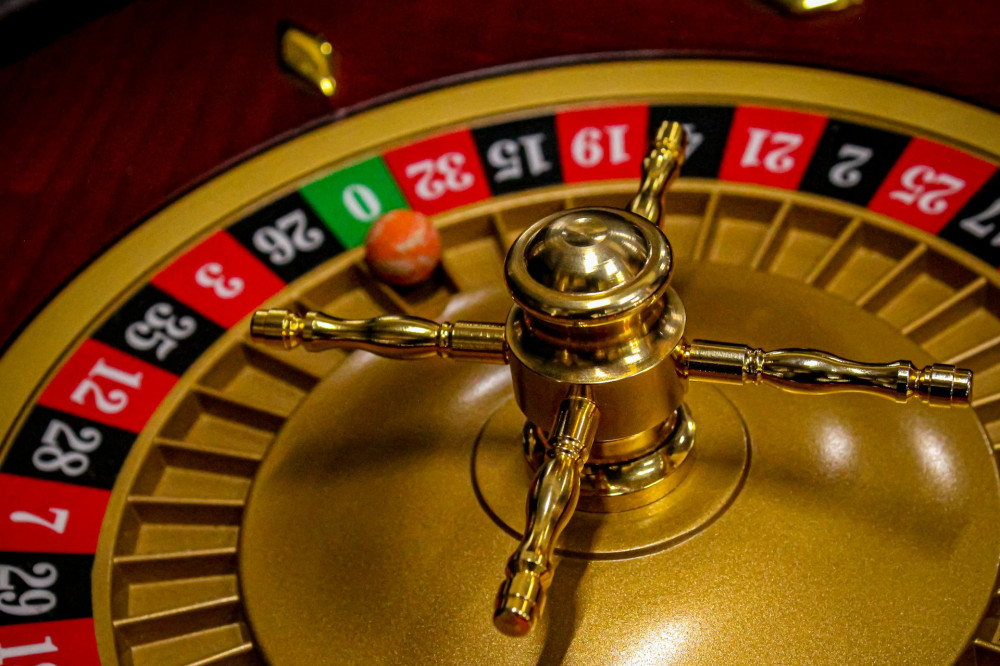
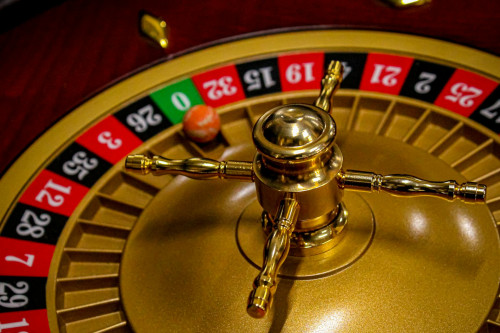
The house edge is the percentage of each wager that the casino expects to keep over the long term. It varies from game to game, depending on the rules and payout structure. For example, European roulette has a house edge of about 2.7%, while the American version—with an extra double zero—raises that edge to roughly 5.26%.
That doesn’t mean you’ll lose exactly that percentage every time you play. It simply means that, over thousands of spins or hands, the casino will statistically retain that portion of all bets. This small but steady margin is what keeps casinos profitable year after year.
Small Rule Changes, Big Impact
Casinos often make subtle rule adjustments to increase their edge—changes that might go unnoticed by casual players. Take blackjack, for instance. In the traditional version, a “blackjack” pays 3:2. Many casinos now offer tables that pay only 6:5. It sounds like a minor tweak, but it significantly increases the house’s advantage.
Craps offers another example. While the main bets have a relatively low house edge, many side bets carry much higher ones. Players who don’t understand the difference can easily end up choosing the least favorable options.
Payout Tables and Probabilities
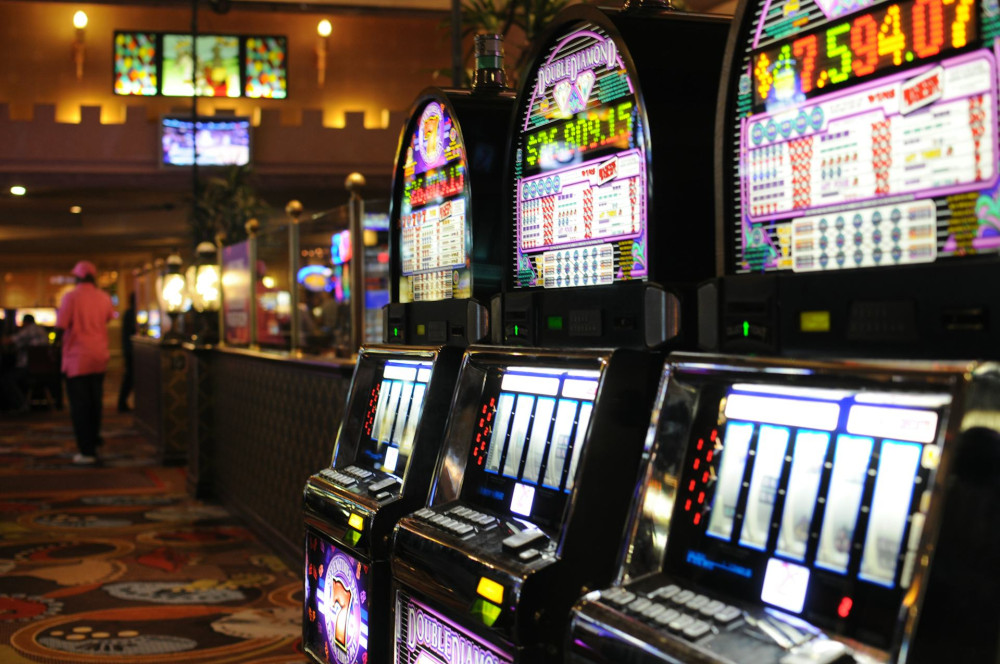
In slot machines—both physical and online—the house edge is built into the programming. Here, the key term is Return to Player (RTP), which represents the percentage of all wagers that are paid back to players over time. A slot with a 96% RTP means the house keeps about 4% on average. That may sound small, but across millions of spins, it adds up to substantial profits.
Casinos can adjust the RTP by changing the probability of certain symbols appearing or by modifying payout tables. Two machines that look identical can have very different odds, depending on how they’re programmed.
Læs også:


The Psychology Behind the Games
The house edge isn’t just about math—it’s also about psychology. Casinos design games to feel fair and exciting, even when the odds are against the player. Frequent small wins, flashing lights, and celebratory sounds trigger dopamine in the brain, creating a sense of reward and control. This keeps players engaged and often playing longer than they intended.
Even games with a low house edge, like blackjack or video poker, can become much less favorable if players don’t use optimal strategy. That’s part of the casino’s indirect advantage: the more complex the game, the more likely players are to make mistakes.
Online Casinos and Algorithms
In the digital world, the house edge is just as present—only now it’s governed by algorithms. Online games use Random Number Generators (RNGs) to ensure fairness, but the math behind them still favors the house. Licensed operators in the U.S. are required to have their games tested by independent labs, but that doesn’t change the underlying probabilities.
Online casinos also use bonuses and promotions strategically. A welcome bonus might look generous, but wagering requirements often make it difficult to cash out winnings. It’s another way to protect the house’s long-term advantage while attracting new players.
Can You Beat the House?
While the house edge can’t be eliminated, it can sometimes be reduced. Skilled players in blackjack, video poker, or sports betting can bring the odds closer to even. But in games of pure chance—like roulette, slots, or keno—no strategy can overcome the built-in mathematical edge.
The best approach is to understand how the house edge works and choose games with the lowest possible advantage. That way, you get more entertainment for your money and play with realistic expectations.
The Edge That Keeps Casinos Alive
The house edge isn’t a trick—it’s the foundation of the casino business model. Without it, no casino could pay staff, maintain operations, or fund jackpots. It’s the built-in safety net that ensures the house always stays in business.
Knowing how the house edge works won’t guarantee a win, but it will help you play smarter and more responsibly. In the end, gambling should be viewed as entertainment, not a path to easy money—and understanding the math behind the games is the first step toward playing with open eyes.
Læs også: