Board Games Explained: The Interplay of Rules, Probability, and Decisions


Board Games Explained: The Interplay of Rules, Probability, and Decisions
For centuries, board games have been part of human culture — from ancient Egyptian Senet to modern classics like Monopoly, Chess, and Settlers of Catan. They blend entertainment, strategy, and chance in ways that challenge our minds and bring people together. But what exactly makes a board game engaging? The answer lies in the interplay between rules, probability, and decisions.
Rules – The Framework and Language of Play
Rules are the foundation of every board game. They define what players can and cannot do, creating the structure within which the game unfolds. Without rules, a game would quickly descend into chaos — but too many rules can make it cumbersome and inaccessible.
A well-designed rule set balances clarity and depth. In Chess, the rules are simple to learn, yet the strategic possibilities are nearly infinite. In modern strategy games like Catan or Ticket to Ride, the rules are crafted to encourage interaction and tension between players, often offering multiple paths to victory.
Rules also serve as a shared language. When everyone understands them, the game becomes a space for creativity, planning, and surprise.
Probability – The Role of Chance
Most board games include an element of randomness. Dice rolls, shuffled cards, or tiles drawn from a bag introduce variation and unpredictability. This uncertainty keeps the game dynamic — and forces players to think in terms of probabilities.
In Yahtzee, the odds of rolling a particular combination shape your choices. In Monopoly, a lucky roll might land you on Boardwalk or send you straight to jail. Even in strategic games like Risk, chance plays a role when battles are decided by dice.
But randomness doesn’t mean everything is left to fate. Skilled players learn to calculate risk, assess probabilities, and make decisions that maximize their chances — even when outcomes can’t be fully controlled.
Decisions – Where the Game Comes Alive
It’s in the decisions that board games truly come to life. Every move represents a choice: a strategy to pursue, a risk to take, or an opponent to outthink. The best games force players to make meaningful, sometimes difficult, decisions.
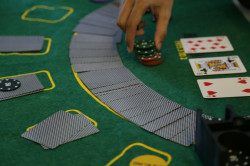
In Chess, decisions revolve around positioning and timing. In Catan, you must decide where to build and whom to trade with. In card games like Poker or Bridge, reading your opponents and knowing when to bet or fold is crucial.
The most engaging games create a constant tension between control and uncertainty. You know what you want to achieve, but you must adapt to changing circumstances along the way.
The Interplay of the Three Elements
When rules, probability, and decisions come together, the magic happens. Rules provide structure, probability introduces variation, and decisions give players agency over the outcome. This combination keeps us coming back to the same games again and again — each playthrough feels new, even though the rules never change.
A game without randomness can feel too predictable, while one without meaningful decisions can feel like pure luck. The balance between structure and chaos is the key to great game design.
Board Games as a Reflection of Real Life
Many board games mirror real-world decision-making. They teach us to handle uncertainty, think strategically, and collaborate — skills that extend far beyond the game table. That’s why games are now used not only for entertainment but also in education, research, and leadership training.
When we play, we practice making choices with limited information, evaluating risk, and responding to others’ actions. It’s a playful way to understand complexity — and perhaps that’s why board games have endured for thousands of years.
Læs også:



A Timeless Way to Connect
In an age dominated by screens, board games are experiencing a renaissance. They bring people together around a shared table, where laughter, competition, and strategy meet. Whether you play to win or simply to enjoy the moment, it’s the interplay of rules, probability, and decisions that makes the experience come alive.
So next time you sit down for a game night, pay attention to how these three elements interact. That’s where you’ll find the essence of why board games continue to fascinate — and why they keep bringing us together.
Læs også: