When Do the Winnings Drop? Understanding the Game’s Structure and Patterns

When Do the Winnings Drop? Understanding the Game’s Structure and Patterns
Whether you’re spinning the reels at an online casino or sitting at a slot machine in Las Vegas, the same question always seems to come up: When do the winnings drop? Many players look for patterns, rhythms, or strategies that might increase their chances of hitting a jackpot. But behind the flashing lights and exciting sounds lies a mathematical system that’s far more complex than it appears. This article explores how casino games are structured, what determines the outcomes, and why luck can feel like it comes in waves.
The Basic Structure of the Game
Most casino games—whether slots, roulette, or digital card games—are built on randomness. Each result is independent of the one before it. This is controlled by a Random Number Generator (RNG), a piece of software that ensures every outcome is unpredictable and fair.
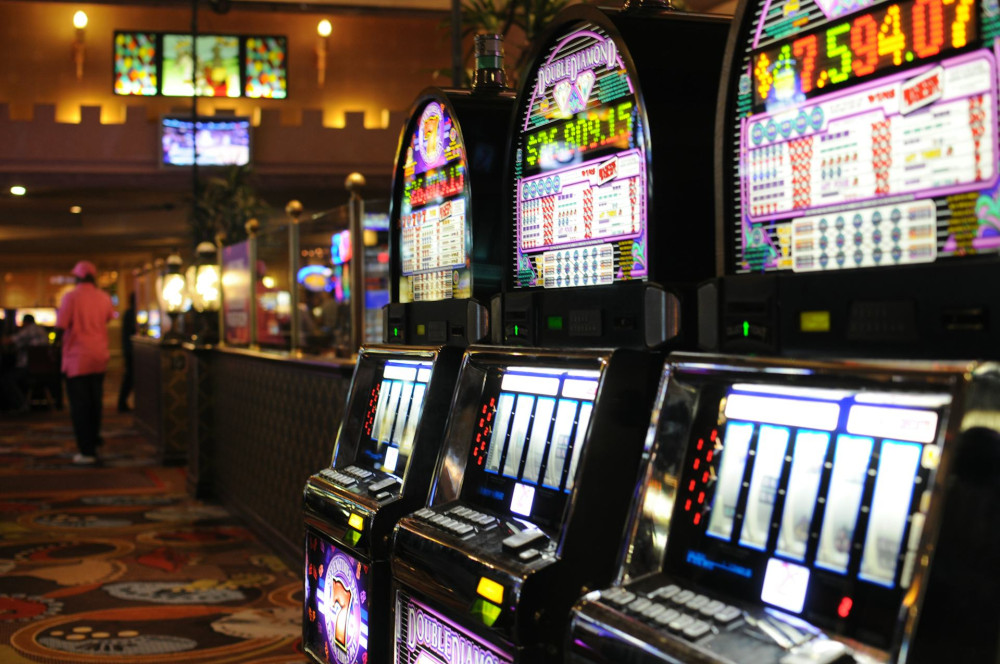
For example, when you press “spin” on a slot machine, the RNG instantly generates a number that determines which symbols appear on the screen. This happens in a fraction of a second, and the result is already decided before the reels even stop spinning. That means there’s no “right moment” to press the button—no matter how carefully you try to time it.
Why Wins Feel Like Patterns
Even though the results are random, many players feel that wins come in streaks. This is due to a psychological phenomenon called pattern recognition—our brains are wired to find connections, even when none exist. After a long losing streak, it’s natural to think, “A win must be coming soon.” But in reality, every spin or roll has exactly the same odds as the one before it.
That doesn’t mean the game has no structure at all. Every casino game has a Return to Player (RTP) percentage, which indicates how much of the money wagered is paid back to players over time. For instance, a slot with a 96% RTP will, on average, pay out $96 for every $100 wagered—but that’s an average calculated over thousands of spins, not a guarantee for any individual player.
Volatility – The Game’s Personality
Another key concept is volatility, which describes how winnings are distributed. A low-volatility game pays out smaller prizes more frequently, while a high-volatility game pays out larger prizes less often. That’s why some players experience long dry spells followed by a big win—it’s part of the game’s design.
Understanding volatility can help you choose games that match your playing style. If you prefer steady excitement and frequent small wins, low-volatility games are ideal. If you’re chasing big jackpots and can handle longer waits, high-volatility games might be more your speed.
Læs også:



Myths and Misconceptions
There are plenty of myths about how to “predict” or “control” winnings. Some believe that machines “heat up” after a series of losses, or that certain times of day are luckier than others. In truth, it’s all random—the machine has no memory and no rhythm that can be exploited.
Another common misconception is that you can track patterns in roulette or card games to forecast future results. While it’s possible to analyze past outcomes, it doesn’t change the odds of the next spin or deal. Each event is independent, and the game doesn’t “owe” anyone a win.
Playing with Insight
Understanding how games work isn’t about finding a secret formula for guaranteed wins—because there isn’t one. It’s about knowing the mechanics so you can play with realistic expectations and a clear mind.
- Set a budget and stick to it. Treat gambling as entertainment, not as a source of income.
- Choose games with a known RTP, so you understand what to expect over time.
- Pay attention to volatility, and pick games that fit your patience and risk tolerance.
- Take breaks, especially if you find yourself chasing losses or getting caught up in the moment.
When you play with awareness of the game’s structure, the experience becomes more mindful—and more responsible.
The Winnings Drop – But Never on Schedule
There’s no formula that can predict when the winnings will drop. That unpredictability is what makes gambling exciting—and potentially risky if you forget the role of chance. By understanding how games are built, you can enjoy the thrill without falling for the illusion of control.
You can’t control luck—but knowledge can make you a smarter player.
Læs også: