Double Zero in American Roulette: What Does It Mean for the Game’s Odds?


Double Zero in American Roulette: What Does It Mean for the Game’s Odds?
Roulette is one of the most iconic casino games in the world—a blend of chance, excitement, and a touch of strategy. But not all roulette wheels are created equal. The difference between European and American roulette may seem minor at first glance, yet it has a major impact on your odds of winning. The key distinction? The extra pocket marked double zero (00) on the American wheel.
Two Versions of the Same Game
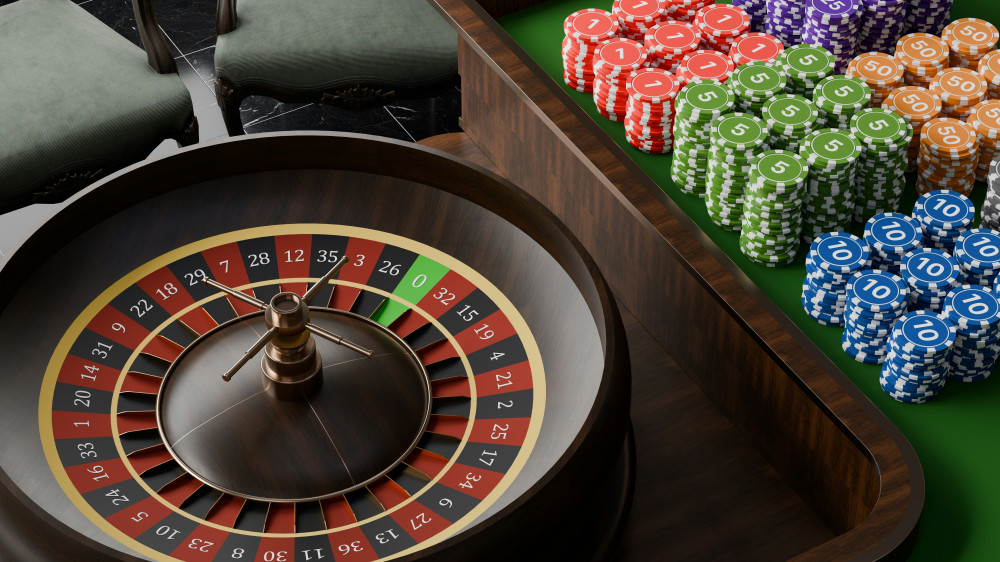
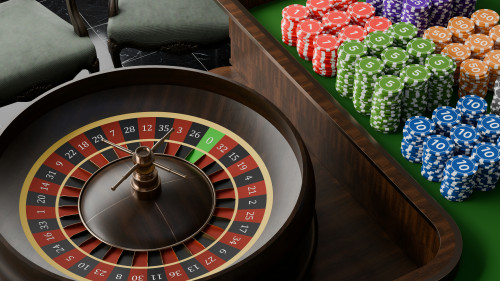
Roulette comes in two main versions: European and American. Both feature numbers 1 through 36, half red and half black, plus a single green pocket for zero. The American version, however, adds another green pocket—00—bringing the total number of pockets to 38 instead of 37.
That single extra slot might not look like much, but in a game where probabilities are finely balanced, it makes a noticeable difference.
The House Edge – and Why the Double Zero Matters
In roulette, the house edge is what ensures the casino wins slightly more than players do over time. In European roulette, with only one zero, the house edge is about 2.7%. In American roulette, with both 0 and 00, it jumps to 5.26%.
In practical terms, that means for every $100 you wager, you can expect to lose about $5.26 on average in American roulette—compared to $2.70 in the European version. Over many spins, that difference adds up, especially for frequent players.
Læs også:

The Odds in Practice
Let’s look at a simple example. If you bet on a single number in European roulette, you have a 1 in 37 chance of winning—roughly 2.7%. In American roulette, your chance drops to 1 in 38, or 2.63%. The payout, however, remains the same in both versions: 35 to 1. That means your expected return is slightly lower in American roulette because the probability of winning is smaller while the payout doesn’t change.
The same logic applies to even-money bets—wagers on red/black, odd/even, or high/low. In European roulette, you lose only if the ball lands on 0. In American roulette, there are two losing green pockets: 0 and 00. That effectively doubles the chance that the house wins those bets.
Why Does the Double Zero Exist?
Historically, the double zero was introduced in the 19th century when roulette spread from Europe to the United States. American casinos wanted a higher profit margin, and the extra zero provided exactly that. Over time, the double zero became a defining feature of American roulette, while the single-zero version remained the standard in Europe and most online casinos.
For players, this means that choosing which wheel to play on is actually a strategic decision. Whenever possible, the European version offers better odds from a purely mathematical standpoint.
Can You Offset the Double Zero?
Some players try to counter the house edge with various betting systems—like the Martingale, Fibonacci, or D’Alembert strategies. But no matter the system, the double zero doesn’t change its odds. Roulette is a game of chance, and no strategy can eliminate the house’s built-in advantage.
That said, you can still make smart choices: pick games with lower house edges, set a clear budget, and focus on the entertainment value rather than chasing consistent wins.
European or American – Which Should You Choose?
If you’re playing for fun, the double zero might not make much difference. But if you care about maximizing your odds and stretching your bankroll, European roulette is the better choice. Its lower house edge means your money lasts longer, and your average losses are smaller over time.
Still, American roulette has its own charm—especially in classic Las Vegas casinos, where the double green pocket is part of the game’s identity and tradition.
A Small Pocket with a Big Impact
The double zero in American roulette is a small but crucial detail that changes the game’s math. It makes the game slightly harder to beat, but it also serves as a fascinating reminder of how even tiny differences in probability can have a big impact in games of chance.
For curious players, it’s a great lesson in probability—and a reminder that in roulette, as in life, sometimes the smallest details make the biggest difference.
Læs også: