Roulette Then and Now: The Earliest Known Rules and Their Evolution


Roulette Then and Now: The Earliest Known Rules and Their Evolution
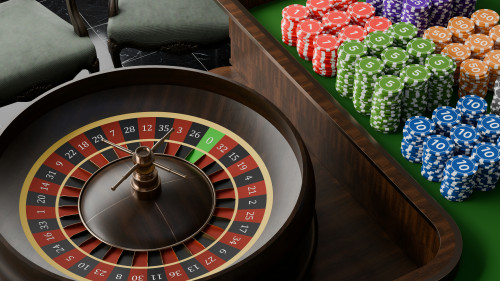
Roulette is one of the most recognizable casino games in the world—a symbol of chance, sophistication, and suspense. Yet behind the spinning wheel and the red and black pockets lies a story that stretches back centuries. From its experimental beginnings in 17th-century France to the high-tech versions found in today’s online casinos, roulette’s rules and form have evolved dramatically. This article explores how the game began and how its rules have changed over time, with a special look at how the American version came to be.
The Earliest Traces: A Blend of Physics and Fortune
The origins of roulette can be traced to 17th-century France, where mathematician and physicist Blaise Pascal is said to have been experimenting with a perpetual motion machine—a device that could operate indefinitely without an external energy source. While the machine itself was impossible, Pascal’s spinning wheel concept inspired a game of chance that would later become roulette.
By the 18th century, roulette had taken shape as a gambling game in French salons. The earliest known rules describe a wheel featuring both a single zero and a double zero, giving the house a significant advantage. The game quickly became a favorite among the French aristocracy, who viewed it as a refined form of entertainment that combined mathematics, luck, and elegance.
From French Salons to European Casinos
During the 19th century, roulette spread across Europe. In the 1840s, brothers François and Louis Blanc introduced a new version of the game in the spa town of Bad Homburg, Germany. They removed the double zero, leaving only a single zero on the wheel. This change reduced the house edge and made the game more appealing to players. The version became known as European roulette, and it remains the most popular format in much of the world today.
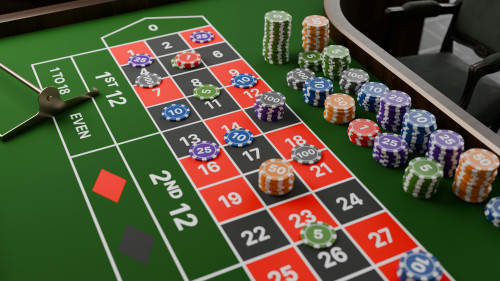
When roulette arrived in Monte Carlo, it became synonymous with luxury and the glamour of high-stakes gambling. The rules were standardized: 37 pockets (numbers 0–36), a variety of betting options on numbers, colors, and combinations, and a croupier who managed the game with precision and poise. Roulette became not just a game, but a spectacle of chance and style.
The American Version: A Double Zero and a Faster Pace
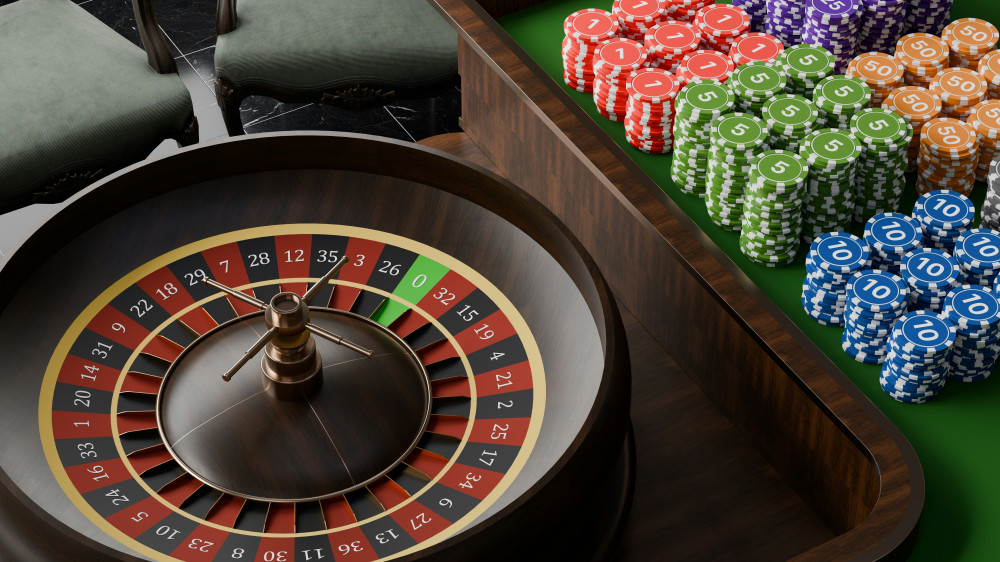
When European immigrants brought roulette to the United States in the 19th century, the game took on a new identity. American casinos added an extra pocket—the double zero—to increase the house advantage. Thus, American roulette was born, featuring 38 pockets in total.
The American version also developed a different atmosphere. While European roulette was associated with formality and elegance, the American game became more fast-paced and accessible. It was played in lively saloons along the Mississippi River and later in the casinos of Las Vegas and Atlantic City. The core rules remained the same: players place their bets, the wheel spins, and the ball decides the outcome—but the spirit of the game became distinctly American.
The Evolution of the Rules: From Handwritten Notes to Digital Code
Although the essence of roulette has changed little, the details of its rules and gameplay have evolved alongside technology. In the 20th century, roulette wheels were engineered with greater precision to eliminate bias—tiny imperfections that could give players an edge. Betting procedures were standardized, ensuring consistent play across casinos worldwide.
With the rise of the internet in the 1990s, roulette entered the digital age. Online casinos began offering both virtual and live versions of the game, allowing players to participate from home. The rules were adapted for digital play, but the fundamentals remained the same: a wheel, a ball, and a wager on where it will land.
Today, countless variations exist—from French roulette, which includes special rules like La Partage and En Prison that reduce the house edge, to modern versions featuring bonus pockets and side bets. Despite these innovations, every version still revolves around the same principle that fascinated players more than 300 years ago.
Roulette Today: Tradition Meets Technology
In the 21st century, roulette is both a classic table game and a digital experience. Live casinos stream real-time games with professional dealers, while virtual versions use advanced algorithms to simulate the spin of the wheel. Mobile technology has made it possible to play roulette anywhere, anytime, bringing the thrill of the casino to players’ fingertips.
Even as technology transforms how we play, the allure remains unchanged—the anticipation as the ball bounces from pocket to pocket, and the hope that it will land on your number. Roulette continues to embody the perfect balance of mathematics, chance, and human intuition, just as it did in the French salons centuries ago.
Læs også:

From Aristocratic Pastime to Global Phenomenon
Roulette has survived wars, bans, and technological revolutions. Its rules have been refined, but its essence endures: a simple, elegant game where every spin holds the promise of surprise. From Pascal’s scientific curiosity to today’s online platforms, roulette tells the story of how a timeless idea can evolve—and still retain its magic.
Læs også: