Fair Drawings: The Rules That Ensure Randomness and Transparency

Fair Drawings: The Rules That Ensure Randomness and Transparency
From charity raffles to online giveaways and state lotteries, Americans love a good drawing. But behind every fair drawing lies a set of rules designed to ensure that the process is both random and transparent. A drawing isn’t truly fair unless it can be proven to be fair. So how do organizers make sure that every participant has an equal chance—and that everyone can trust the outcome?
Why the Rules Matter
Drawings are used in countless situations: by nonprofits, businesses, government agencies, and digital platforms. In each case, participants must be confident that no one has an unfair advantage. If people suspect manipulation, the entire process loses credibility.
That’s why clear principles guide how a fair drawing should be conducted. These principles revolve around randomness, oversight, and transparency—three pillars that together create trust.
Læs også:
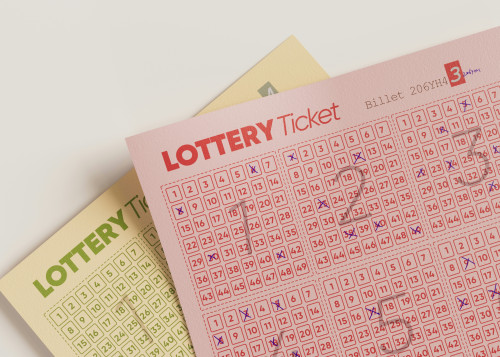
Randomness – The Core of a Fair Drawing
At the heart of any drawing is randomness. Every participant must have exactly the same chance of being selected. There are two main ways to achieve this:
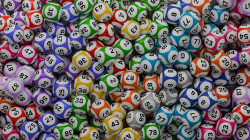
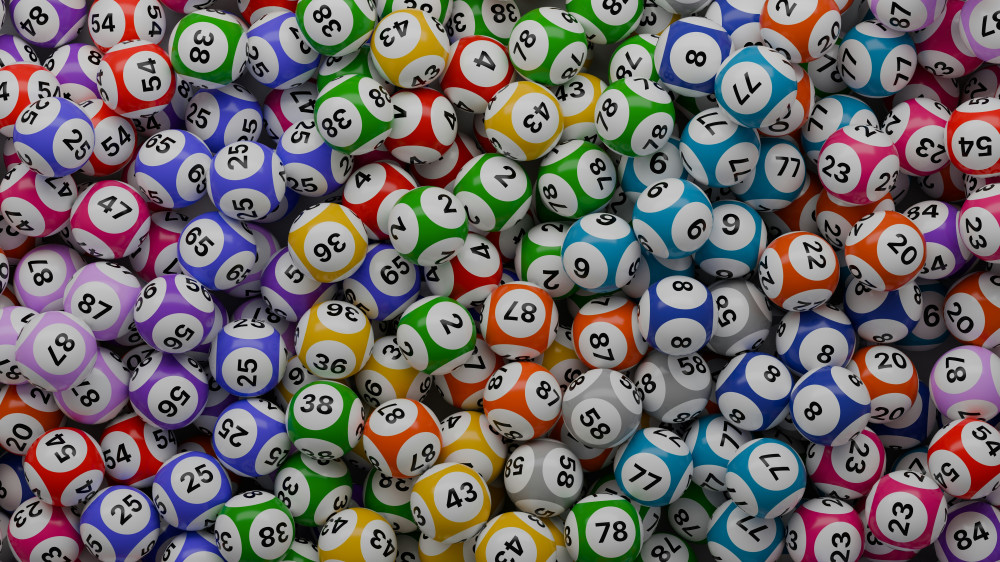
- Physical drawings – such as pulling names from a hat or numbers from a drum. To ensure fairness, all entries must be identical in size, shape, and texture so that none can be distinguished by touch or sight.
- Digital drawings – where a computer program generates a random result. In these cases, the software must use a reliable Random Number Generator (RNG) that cannot be influenced or predicted.
In professional or regulated contexts—like state lotteries or sweepstakes—RNG systems are often tested and certified by independent auditors to confirm that they produce truly random outcomes.
Transparency – Building Public Trust
Even the most random drawing can raise doubts if it happens behind closed doors. Transparency is therefore essential. Organizers can promote openness in several ways:
- Public observation – by conducting the drawing live, either in person or via livestream.
- Documentation – by publishing a report, video, or audit trail showing how the drawing was carried out.
- Clear rules – by informing participants in advance about eligibility criteria, prize details, and the exact time and method of the drawing.
When the process is open and well-documented, it minimizes suspicion and helps prevent disputes.
Oversight and Independence
To further strengthen trust, many organizers invite an independent party to oversee the drawing. This could be a certified public accountant, a notary, or an external auditor who verifies that all procedures were followed correctly.
In large-scale or regulated drawings—such as state-run lotteries or federally monitored grant allocations—independent oversight is often required by law. This protects both the organizer and the participants from accusations of bias or fraud.
Digital Drawings – New Opportunities and Challenges
As more drawings move online, new technical and ethical challenges arise. Digital systems can be fast and efficient, but they also demand careful attention to data security and integrity.
A trustworthy digital drawing system should:
- store all entries securely and anonymously,
- provide verifiable proof of how the winner was selected,
- and prevent any post-drawing alterations.
Some platforms are now experimenting with blockchain technology to create fully traceable and tamper-proof records—allowing anyone to verify that the drawing was conducted fairly.
When the Rules Are Broken
If a drawing is found to be manipulated, the consequences can be serious. Participants may demand refunds or legal remedies, and organizers risk losing their reputation or facing regulatory penalties. Prevention is always better than damage control.
A clear, documented, and independently verified process is the best safeguard against suspicion. Fairness isn’t just about picking a winner—it’s about doing so in a way that everyone can accept as legitimate.
Simple Principles, Big Impact
Whether it’s a local fundraiser, a corporate giveaway, or a multimillion-dollar lottery, the same core principles apply: randomness, transparency, and oversight. When these three elements are in place, both organizers and participants can have confidence in the result.
A fair drawing is more than a technical procedure—it’s a matter of ethics and accountability. And that’s why the rules that ensure randomness and transparency matter so much.
Læs også: