When the Rules Change: How Your Odds of Winning Are Affected

When the Rules Change: How Your Odds of Winning Are Affected
When a lottery, sweepstakes, or game show changes its rules, the impact on your chances of winning can be far greater than it first appears. Even small adjustments—like adding more numbers to choose from, changing how prizes are distributed, or introducing new bonus rounds—can dramatically shift the odds. For anyone who enjoys playing, it’s worth understanding how these changes work and why they often make winning harder, not easier.
More Numbers, Lower Chances
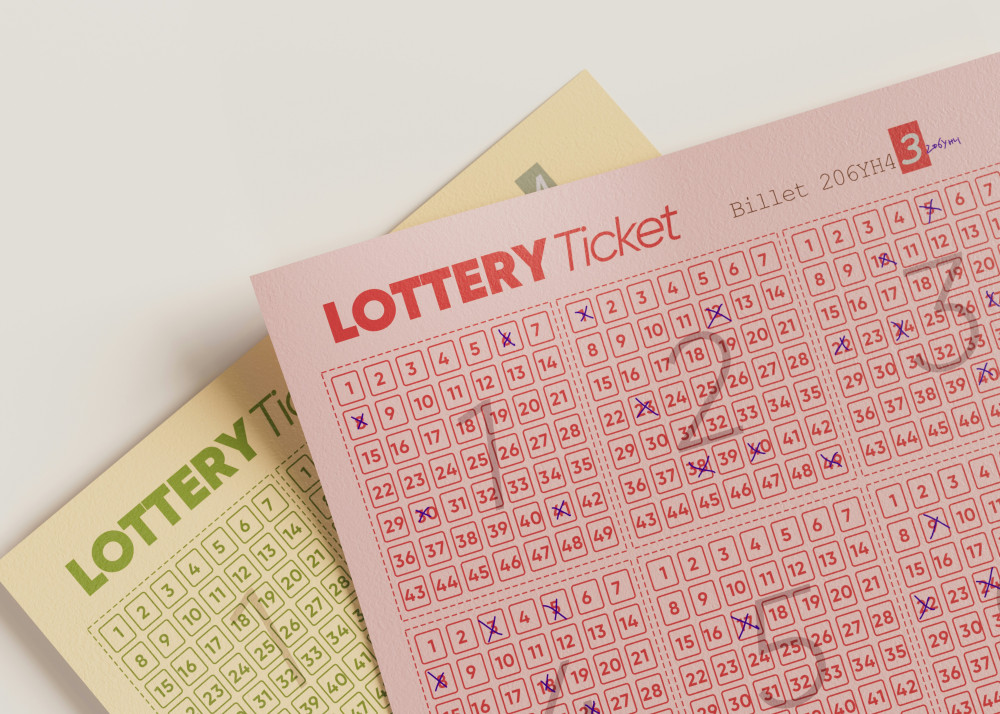
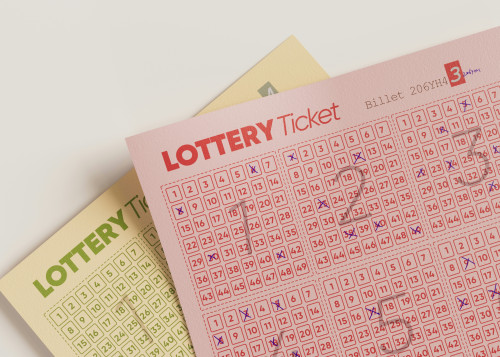
One of the most common rule changes in lotteries is an increase in the number of possible combinations. It might sound minor, but mathematically, it’s a big deal. Suppose a state lottery once required players to pick 6 numbers out of 49, and it changes to 6 out of 54. That small increase adds millions of new possible combinations, which means your odds of hitting the jackpot drop significantly.
For lottery organizers, this change helps jackpots grow larger because it takes longer for someone to win. For players, it means the game looks the same on the surface, but the odds are stacked even higher against them.
Prize Structures That Shift the Game
Another way to alter the odds is by changing how prizes are distributed. Some lotteries or contests choose to spread the prize pool across more small prizes, giving more players a modest win. Others concentrate the money into fewer, larger jackpots to create excitement and media buzz.
If you play mainly for fun, more frequent small wins can make the experience more rewarding. But if you’re chasing the big prize, a new prize structure might mean you’re effectively playing for less money overall—even if the headline jackpot looks impressive.
Bonus Rounds and Add-On Games: More Excitement, More Variables
Modern games often introduce bonus rounds, second-chance drawings, or add-on features. These can make the game feel more dynamic and give the impression of extra opportunities to win. However, they also add complexity and often require an additional cost to participate. The odds of winning a bonus prize are usually much lower than they seem.
Before you opt in, it’s smart to read the fine print. Ask yourself: What am I really getting for this extra wager? And how likely is it to pay off?
Læs også:

When Rules Get Complicated
As games evolve, their rules often become more complex. That complexity can make it difficult for players to understand their true odds. A game that was once simple—pick a few numbers and wait for the draw—can turn into a maze of bonus balls, multipliers, and special drawings. The more complicated the system, the easier it is to misjudge your chances.
For organizers, complexity keeps the game fresh and engaging. For players, it means you need to pay closer attention to how each new rule affects your probability of winning.
How to Stay Informed
If you want to keep track of how rule changes affect your odds, here are a few simple guidelines:
- Always read the updated rules – even small changes can have a big impact.
- Look at the number of possible combinations – more combinations mean lower odds.
- Check how prizes are distributed – more small prizes often mean fewer large ones.
- Consider the motivation behind the change – is it to make the game more exciting, or to increase revenue for the organizers?
Understanding odds isn’t about finding a guaranteed way to win—it’s about knowing what you’re really playing for. When the rules change, so does the game itself. And that’s something every player should know before buying the next ticket.
Læs også: