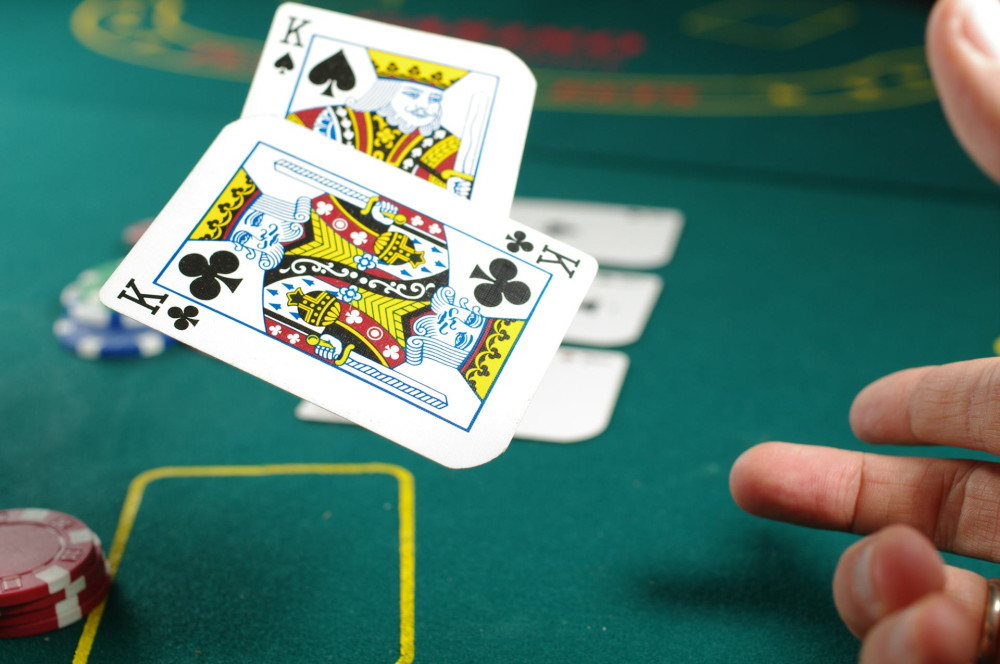
Math in Poker: How to Make Your Decisions More Objective

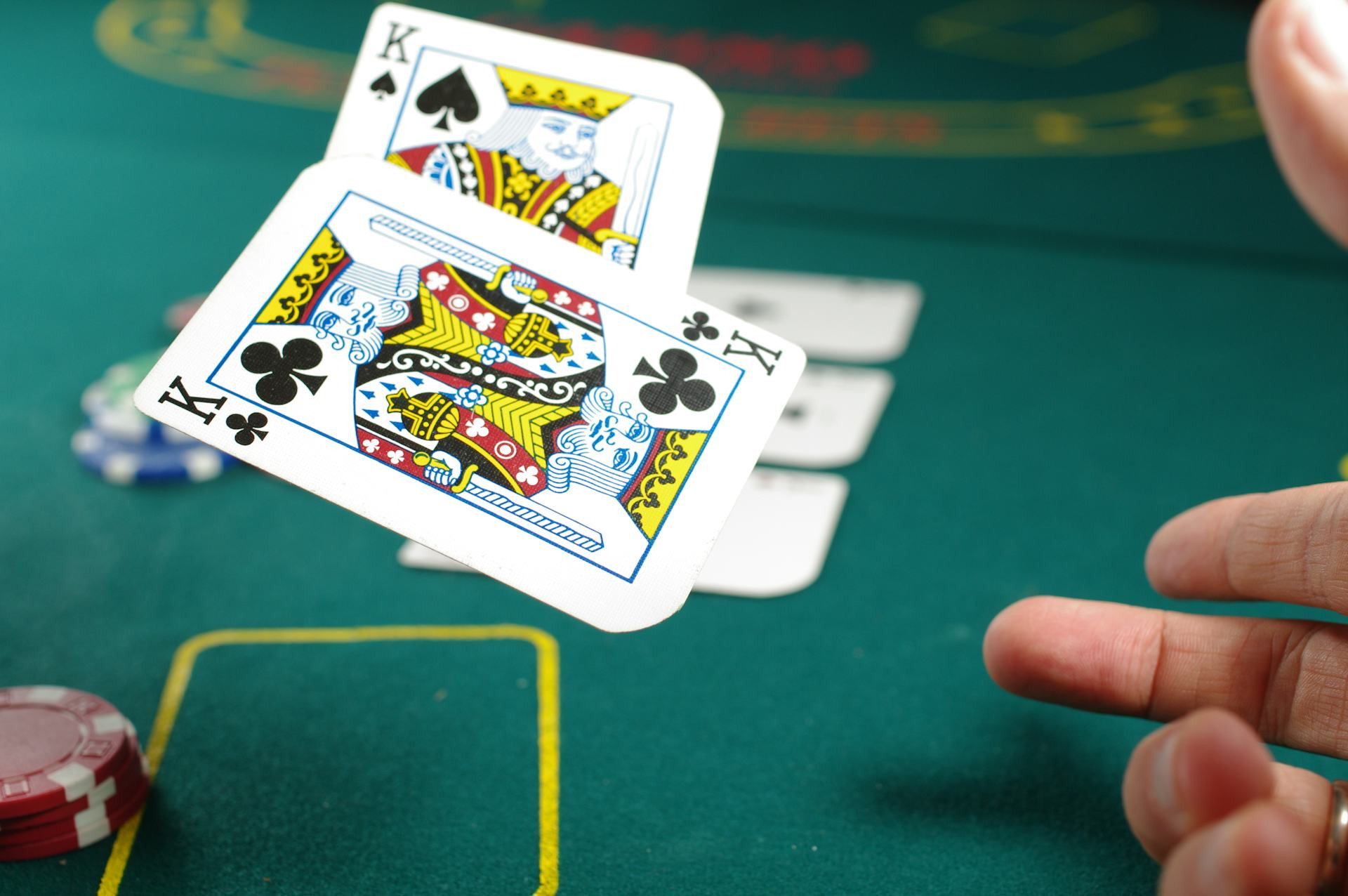
Math in Poker: How to Make Your Decisions More Objective
Poker is often described as a game of both luck and skill. You can’t control the cards you’re dealt—but you can control how you play them. That’s where math comes in. By understanding probabilities, pot odds, and expected value, you can make more objective decisions and reduce the influence of emotions and chance. It’s not about taking the excitement out of the game—it’s about giving yourself a rational foundation to play from.
Probabilities – The Foundation of Rational Decisions
Every poker hand involves a set of probabilities. What are the odds of hitting your flush on the turn or river? How often will your opponent have a stronger hand in a given situation? Knowing these probabilities helps you decide whether it’s worth staying in the hand.
For example, imagine you have four cards to a flush after the flop. There are nine cards left in the deck that can complete your hand, out of 47 unknown cards. That gives you about a 19% chance to hit on the turn—and roughly a 35% chance to hit by the river. With that knowledge, you can compare your chances to the cost of seeing the next card.
Pot Odds – Where Math Meets Money
Pot odds represent the ratio between the amount you must call and the total pot you can win. If there’s $100 in the pot and you need to call $20 to see the next card, your pot odds are 100:20, or 5 to 1. That means you need to win at least once in six tries (about 17%) for the call to be profitable.
By comparing your pot odds to your actual chance of winning, you can see whether your decision is mathematically sound. If your chance of winning is higher than what the pot odds require, it’s a good call. If not, folding is the right move—even if it feels painful in the moment.
Expected Value – Thinking Long Term
While pot odds help you in the moment, expected value (EV) is about the long run. EV measures how much you can expect to win or lose on average from a particular decision over time. A decision with a positive expected value will make you money in the long term, even if you lose in the short term.
This is what separates great poker players from casual ones. They don’t focus on individual outcomes—they think in terms of probabilities and long-term profit. They understand that a correct play can still lose a hand, but it remains the right decision over time.
Avoiding Emotional Traps
Poker easily stirs emotions. Losing a big hand can lead to frustration, while winning one can make you overconfident. Both emotions can push you toward irrational decisions. Math acts as a safeguard against these emotional traps. When you base your choices on numbers rather than gut feelings, you become less affected by short-term swings.
A helpful habit is to review your decisions after each session. Ask yourself: Was my call mathematically justified? Or did I let hope or fear take over? Over time, this reflection will make you a more disciplined and objective player.
Tools and Training
Today, there are plenty of tools to help you understand the math behind poker. Online calculators can compute pot odds and probabilities, while analysis software can show how different hands perform against each other. You can also find training sites and videos that walk through real examples.
But the most important thing is practice. The more you work with the numbers, the more natural it becomes to think mathematically at the table. Eventually, you’ll find that you’re not guessing—you’re calculating.
Læs også:



Objectivity as Your Greatest Edge
The math of poker isn’t about removing the human element—it’s about giving you a tool to make better decisions. When you understand the numbers behind the game, you rely less on luck and more on your own discipline and analysis.
That’s what separates the average player from the winning one: the ability to think objectively, even when the stakes are high and the cards don’t fall your way.
Læs også: