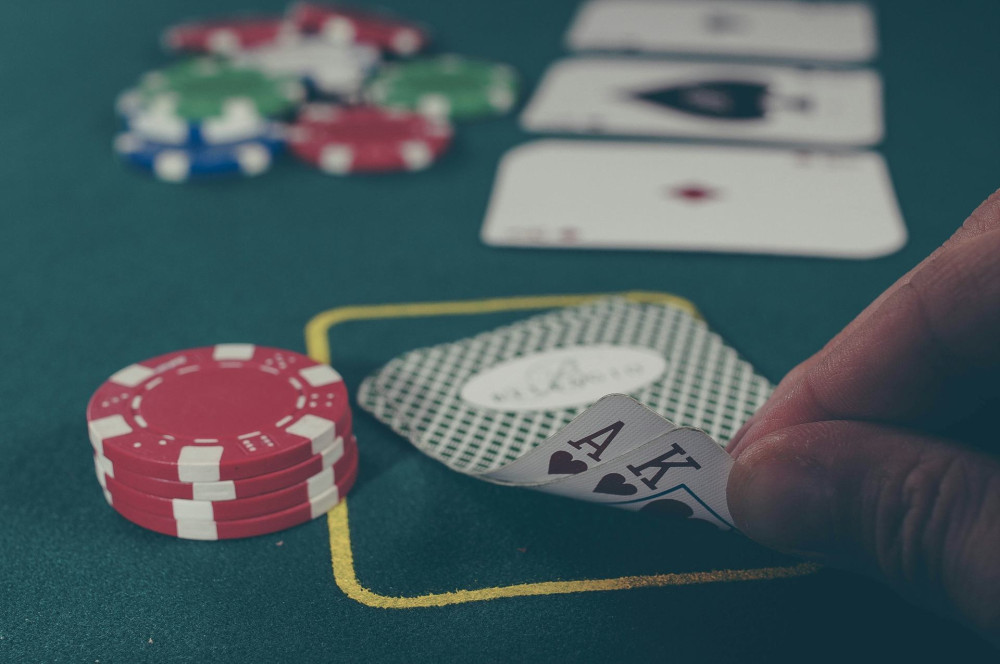
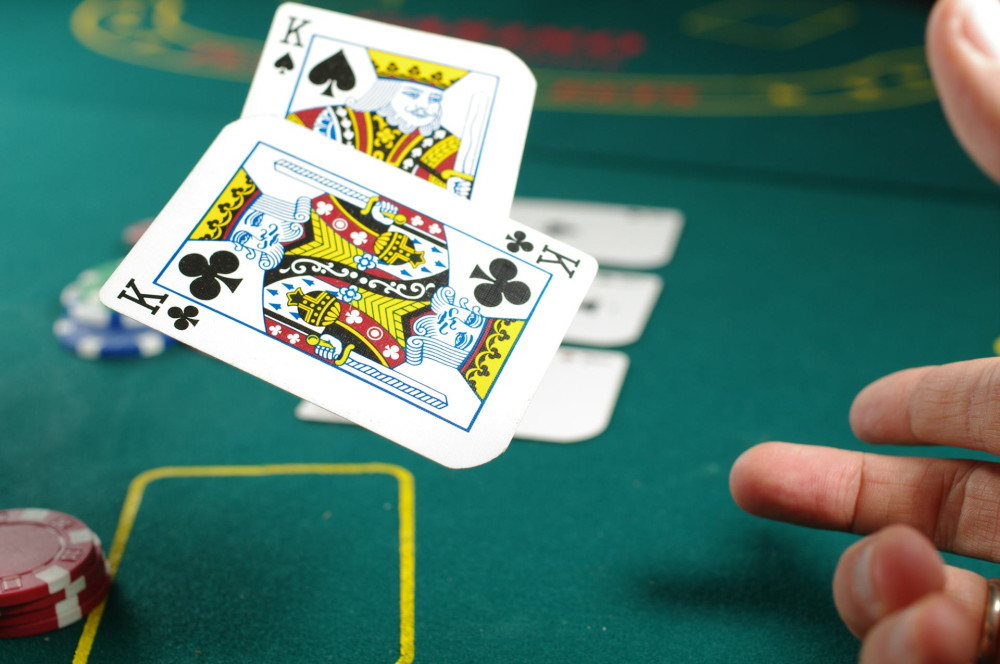
Survival or Dominance: The Balance in Poker Strategy


Survival or Dominance: The Balance in Poker Strategy
Poker is a game where psychology, mathematics, and intuition collide. But behind the countless strategies and theories lies a fundamental question: should you play to survive—or to dominate? The balance between caution and aggression determines how far you go at the table, whether you’re playing online or in a live tournament. This article explores how to find the right balance for your playing style and situation.
Survival: the art of staying in the game
Playing for survival means minimizing the risk of elimination. It’s a mindset most common in tournaments, where every chip represents life, and one mistake can end your run. Survival-oriented players choose their hands carefully, avoid marginal situations, and focus on maintaining a healthy stack through patience and discipline.
This approach demands self-control. It’s tempting to chase big pots, but often the smarter move is to fold and wait for a better spot. Survival isn’t about winning every hand—it’s about still being there when others have busted out.
Læs også:



Dominance: when you set the pace
At the other end of the spectrum lies the dominance strategy. Here, the goal is to take the initiative, pressure opponents, and control the rhythm of the game. Aggressive players use strong bets and frequent raises to create uncertainty and force others into tough decisions. They exploit hesitation and capitalize on weakness.
Dominance requires courage and timing. Too much aggression can backfire if you run into a player who sees through your moves. But when executed well, it builds an image of confidence and control—an intimidating presence that can tilt the psychological balance in your favor.
When to shift gears
The best poker players master the art of switching between survival and dominance. It’s all about reading the situation—and the table. Early in a tournament, a conservative approach can help you gather information about your opponents. Later, as blinds rise and pressure mounts, ramping up aggression may be necessary to stay competitive.
In cash games, where you can buy back in, the balance shifts. A more dominant style often pays off, allowing you to exploit weaker players and build momentum. Still, even in cash games, knowing the line between control and recklessness is crucial.
The psychology behind the balance
Poker isn’t just a game of cards—it’s a game of people. Your ability to read opponents and adjust your own behavior is central to success. A player who always plays defensively becomes predictable. One who’s always aggressive becomes easy to trap. True strength lies in adaptability—keeping opponents guessing about your next move.
Finding balance also requires self-awareness. Do you tighten up too much after a loss? Do you get overly aggressive after a big win? Managing your mindset is just as important as understanding odds and position. Emotional discipline separates good players from great ones.
Strategic flexibility – the key to success
Ultimately, poker is a game of adaptation. No single strategy works all the time. What succeeds against one opponent might fail miserably against another. Flexibility is your greatest asset—observe, analyze, and adjust both your tactics and your attitude.
The balance between survival and dominance isn’t a fixed formula; it’s a dynamic process that shifts from hand to hand, table to table. The better you become at sensing when to hit the gas—and when to ease off—the closer you’ll get to mastering the game.
Læs også: