Train Your Poker Game with Simple Variations

Train Your Poker Game with Simple Variations
Poker can seem intimidating with its mix of strategy, math, and psychology. But you don’t have to jump straight into high-stakes Texas Hold’em tournaments to improve your skills. In fact, you can make real progress by practicing with simpler poker variations that focus on the fundamentals—hand strength, probability, and decision-making. Here’s how you can train your poker game through easy-to-learn versions and why it works.
Why Start with Simple Variations?
Simpler poker games strip away many of the complex elements that can overwhelm new or casual players—like multiple betting rounds, advanced bluffing, and deep stack strategy. This allows you to focus on what really matters: understanding the value of your hand, reading situations, and making sound decisions.
These games also move faster and require less setup, so you can play more hands in less time. That repetition is key to building experience and confidence.
Begin with 5-Card Draw – The Classic Training Game
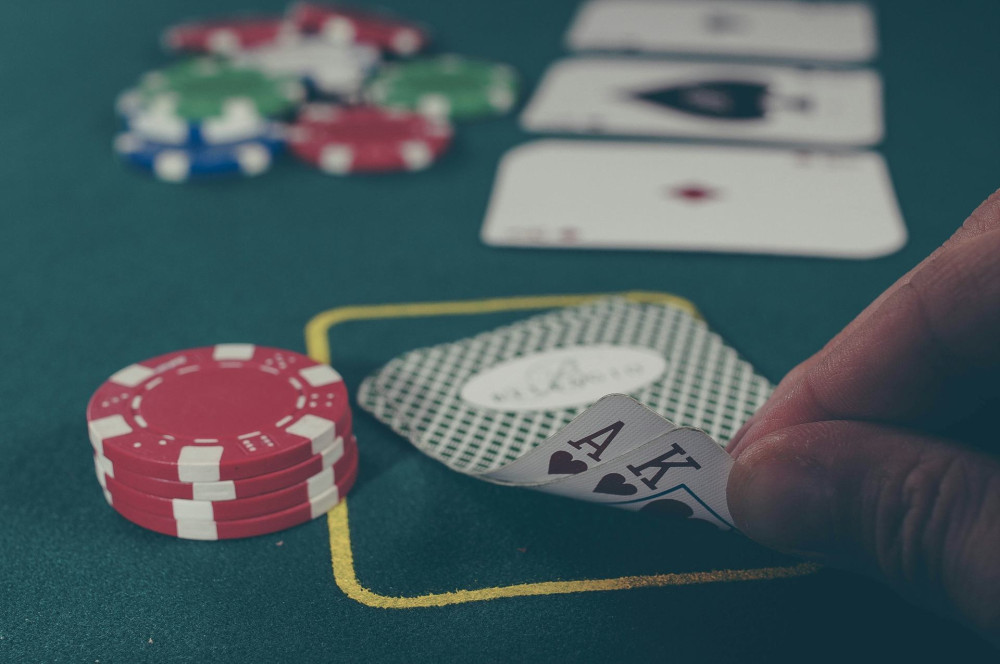
5-Card Draw is the version most people think of when they hear “poker.” Each player gets five cards, and there’s just one round where you can exchange some of them. The simplicity makes it perfect for learning how to evaluate hands.
Here’s what you’ll practice:
- Assessing hand strength – You’ll quickly learn which hands are worth betting on and which to fold.
- Reading opponents – Even with limited betting, you can start recognizing patterns in how others play strong or weak hands.
- Managing bet sizes – You’ll develop a feel for when to bet, call, or fold based on your position and confidence.
Play with small stakes or even just for points to keep the focus on learning rather than winning money.
Try Short Deck Hold’em to Sharpen Your Intuition
Short Deck Hold’em (also called 6+ Hold’em) uses a smaller deck—cards from six and up. This changes the odds dramatically: flushes become rarer, while three-of-a-kind hands appear more often. It’s a great way to challenge your understanding of probabilities and force yourself to think creatively.
This variation helps you:
- Grasp probabilities intuitively – You’ll see how changing the deck composition affects the game.
- Adapt your strategy quickly – You’ll get better at adjusting your play style as situations evolve.
- Think outside the box – Because standard strategies don’t always apply, you’ll rely more on judgment and observation.
Short Deck is a fun, fast-paced way to break habits and keep your mind flexible.
Practice Decision-Making with Heads-Up Poker
Heads-Up poker—playing one-on-one—is one of the most effective ways to train your decision-making. You’re involved in nearly every hand, which means constant feedback on your choices.
The benefits are clear:
- You’ll learn to read your opponent faster since you face the same player repeatedly.
- You’ll balance aggression and caution more effectively.
- You’ll gain a deeper understanding of positional advantage, one of the most important concepts in poker.
Even short Heads-Up sessions can be incredibly valuable because they force you to think strategically every single hand.
Læs også:




Combine Play with Analysis
Playing is only half the training. The other half is reviewing your decisions afterward. Take notes on hands that puzzled you and analyze them later—either on your own, with a friend, or through online poker communities.
You can also use free poker training tools and apps that simulate hands and provide feedback. These resources help you spot patterns in your play and refine your decision-making over time.
Keep It Fun and Goal-Oriented
To stay motivated, make your training feel like a game, not homework. Set small, achievable goals—like playing 100 hands without making impulsive calls or reviewing five hands after each session. Celebrate your progress, and remember that even small improvements add up over time.
Once you’ve mastered these simple variations, you’ll find that moving into more complex games like Texas Hold’em feels much more natural. You’ll already have the foundation: understanding, patience, and the ability to think several moves ahead.
Læs også: